How Do Midlife Body Changes In Men Affect Mental Wellness?
September 18, 2026
Why Does Burnout Recovery Take So Long?
September 30, 2026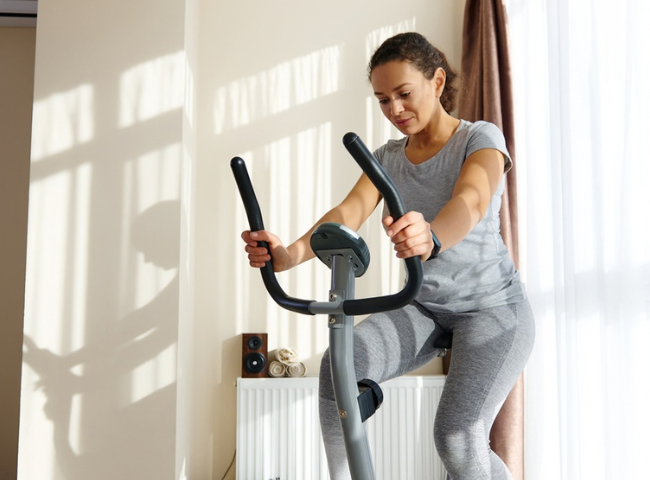
Feeling mentally better after depression does not always mean your body immediately feels better too. You might notice your mood improving while your energy, stamina, or physical strength still feel far behind. A walk that once felt easy might leave you tired. Returning to the gym can feel intimidating. Even normal daily activities might take more effort than you remember.
That disconnect can feel frustrating, but it makes sense. Depression can affect sleep, appetite, motivation, movement, and energy. When those areas change for weeks or months, the body can change too. At Coastline Psychiatric Liaisons in Myrtle Beach, Dr. Lynn believes recovery should look at the whole person. That includes the mind, but it can also include rebuilding physical strength, confidence, and trust in your body.
Can Depression Affect Physical Strength?
Yes. Depression can affect physical strength indirectly because it can make movement, exercise, healthy routines, and everyday activity much harder to maintain. Fatigue and low energy are common depression symptoms, and some people also lose interest in activities they once enjoyed.
When you move less for a long period, muscles do not get the same regular challenge they once did. You might notice less stamina, lower muscle tone, or a general feeling of weakness. That does not mean depression permanently damaged your strength. It means your body might need time and support as you become more active again.
Why Can The Body Feel Behind During Depression Recovery?
The mind and body do not always recover at exactly the same speed. You might reach a point where you want to do more, but your body does not feel ready to keep up. During depression, routines can change dramatically. Exercise might stop. Sleep can become unpredictable. Meals might become inconsistent. You might spend more time sitting or lying down because even small tasks feel overwhelming. Over time, those changes can affect physical conditioning.
This is why recovery can sometimes feel confusing. Mentally, you might think, “I am ready.” Physically, you might still feel tired or weak. Both experiences can exist at the same time.
Why Strength After Depression Can Take Time To Rebuild
Strength after depression usually does not return all at once. The body needs time to adjust to regular movement again, especially after a long period of low activity. Trying to jump immediately back into an old workout routine can leave someone discouraged. A better approach often starts smaller. Walking, gentle resistance exercises, stretching, and gradually increasing activity can help rebuild confidence along with physical ability.
The goal is not to punish your body for what it lost. It is to help your body reconnect with movement in a way that feels manageable. Each small step can become proof that you are moving forward.
How Can Getting Stronger Affect Mental Wellness?
Feeling physically stronger can support confidence, motivation, and self-trust. When your body starts feeling more capable, activities that seemed overwhelming can begin to feel possible again. That might mean walking farther, returning to a favorite hobby, feeling comfortable going back to the gym, or simply moving through a busy day without feeling completely drained. Those wins matter because recovery often grows through small signs of progress.
Physical strength does not treat depression on its own, and nobody should feel pressured to exercise their way out of a mental health condition. But physical wellness can become an important part of the larger recovery picture when someone feels ready.
What Is The Best Way To Start Rebuilding Strength?
Start where your body is now, not where you think it should be. For some people, that means walking for a few minutes each day. For others, it could mean returning to strength training with lighter resistance or working with a qualified professional. Sleep, hydration, nutrition, and enough protein also matter when the body needs to rebuild.
It is also important to keep mental health care in the picture. Depression recovery can include therapy, medication, brain stimulation treatments, lifestyle changes, or a combination of approaches based on the person. Rebuilding the body works best when it supports that larger care plan rather than replacing it.
Where Does EMSCULPT NEO® Fit Into Strength After Depression?
EMSCULPT NEO® can fit into the body wellness side of recovery for appropriate patients who want additional support with muscle strengthening, tone, or muscle re-education. The treatment combines HIFEM® technology, which creates powerful muscle contractions, with synchronized radiofrequency energy. EMSCULPT NEO® has indications that include strengthening and toning muscles in areas such as the abdomen, buttocks, thighs, calves, and arms.
At Coastline Psychiatric Liaisons, Dr. Lynn does not position EMSCULPT NEO® as a treatment for depression. Instead, it can become one tool in a broader whole-person conversation. If someone has moved through a difficult period of depression and now feels ready to reconnect with physical strength, body confidence, and activity, EMSCULPT NEO® could be one option worth discussing.
Can Rebuilding Strength Help You Trust Your Body Again?
For some people, one of the hardest parts of depression recovery is realizing how disconnected they feel from their body. They might not trust their stamina. They might worry about getting tired. They might feel embarrassed that things that once seemed easy now require more effort.
Rebuilding strength can help change that relationship over time. Each bit of progress can remind you that your body is capable of adapting. That feeling of capability matters. Recovery is not just about getting through the day. It is about gradually getting back to living, moving, connecting, and doing the things that make life feel like yours.
Why Does Whole-Person Recovery Matter?
Whole-person recovery recognizes that depression can affect more than mood. It can affect sleep, energy, focus, relationships, routines, movement, and physical wellness.
At Coastline Psychiatric Liaisons in Myrtle Beach, Dr. Lynn looks at how those pieces work together. One patient might need more support with depression symptoms. Another might feel mentally stronger but still want help rebuilding physical confidence. Someone else might need support with both. There is no single recovery timeline and no one-size-fits-all path. The goal is to understand where you are now and what could help you move forward.
Feeling Better Can Mean Feeling Stronger Too
Rebuilding strength after depression is not about erasing what you went through. It is about helping your body catch up with the progress you are making mentally and emotionally.
If depression left you feeling weaker, less active, or disconnected from your body, you do not have to rush the process. Recovery can happen one step at a time. At Coastline Psychiatric Liaisons, Dr. Lynn can help you look at mental wellness and body wellness together and discuss whether EMSCULPT NEO® or another option could fit your goals.
Call us to schedule a consultation and start a conversation about what feeling stronger could look like for you.
FAQs
1. Can depression make you physically weak?
Depression can contribute to feeling physically weak because fatigue, low energy, poor sleep, and reduced activity can all affect how the body feels and functions. If weakness continues, it is important to talk with a health care provider because other medical conditions can cause similar symptoms.
2. How long does it take to rebuild strength after depression?
There is no single timeline. It depends on how long someone was less active, their overall health, their current strength, and the type of movement they can comfortably do. Starting slowly and increasing activity over time can help make the process more manageable.
3. Should I exercise while recovering from depression?
Movement can be part of a healthy recovery plan, but the right amount will vary from person to person. Start at a level that feels realistic, and talk with your health care provider if you have concerns about returning to exercise.
4. Can EMSCULPT NEO® treat depression?
No. EMSCULPT NEO® does not treat depression. It supports muscle strengthening, toning, and other body wellness goals. At Coastline Psychiatric Liaisons, it can fit into a larger whole-person plan for someone who wants help rebuilding physical strength after a difficult period.
5. Where can I ask about rebuilding strength after depression in Myrtle Beach?
Coastline Psychiatric Liaisons serves patients in Myrtle Beach and across the Grand Strand. Dr. Lynn can help you look at both mental wellness and body wellness and discuss whether EMSCULPT NEO® or another approach could fit your recovery goals.